
Al Dhait South
Available · today from 10:00 AMSheikh Rashid Bin Saeed St 93b, next to Flamingo، Ras Al Khaimah
Delivery · Takeaway · Dine-in
mahashi, koshary, shawarma, pizza, kibbeh, musakhan, pasta dishes, and more.
Pick the branch nearest you to start your order
 Available · today from 2:00 PM
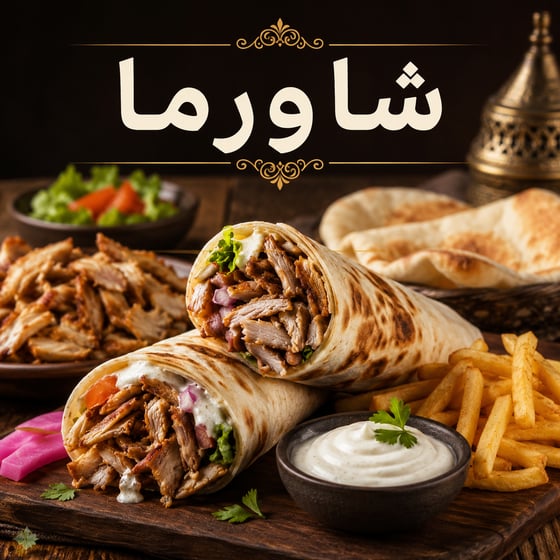
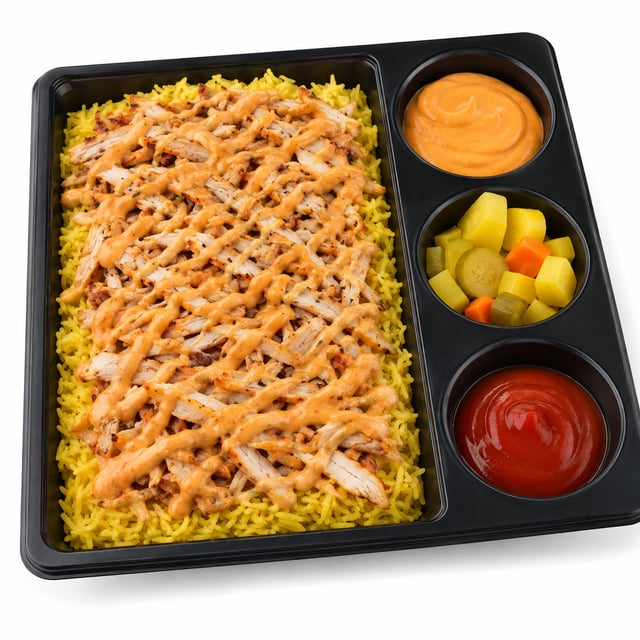
Chicken shawarma rizo from Bait Al Mahashi: seasoned yellow rice with sliced chicken shawarma, rizo sauce, pickles and ketchup - delivery in Ras Al Khaimah.
AED 23.00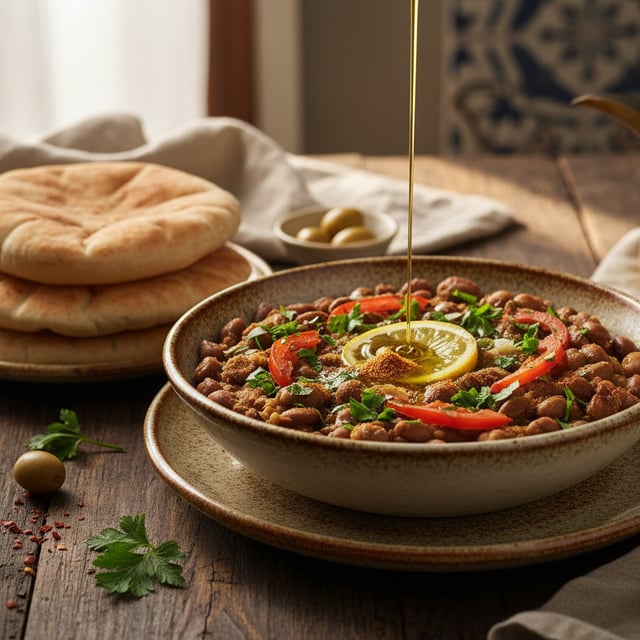 Available · today from 10:00 AM
 Available · today from 10:00 AM
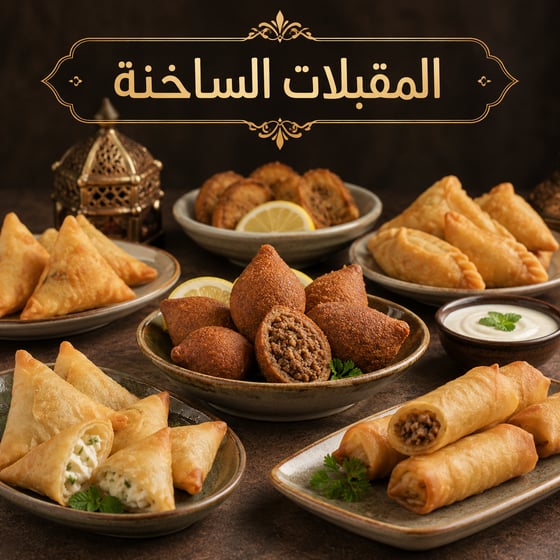
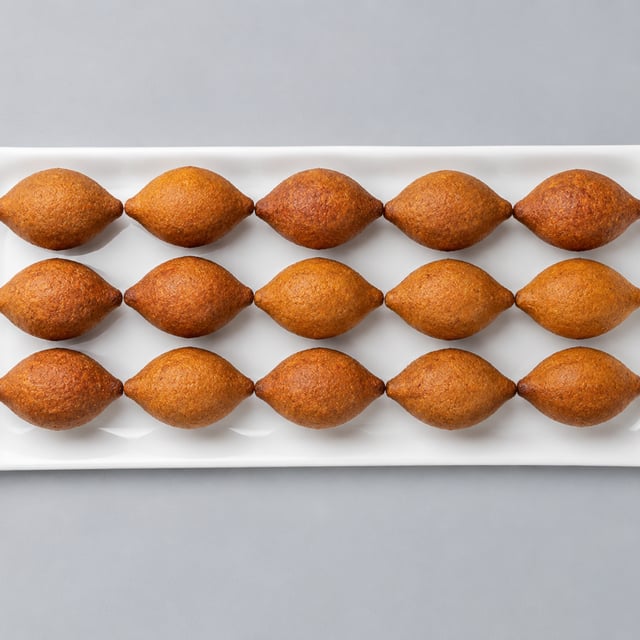
Fried kibbeh with a fine bulgur and meat shell and a filling of minced meat and onion. Sold by the piece.
AED 2.63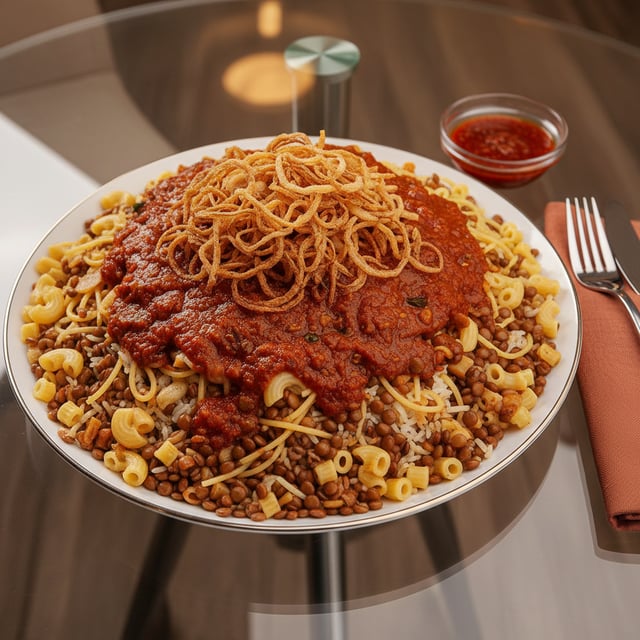 Available · today from 10:00 AM
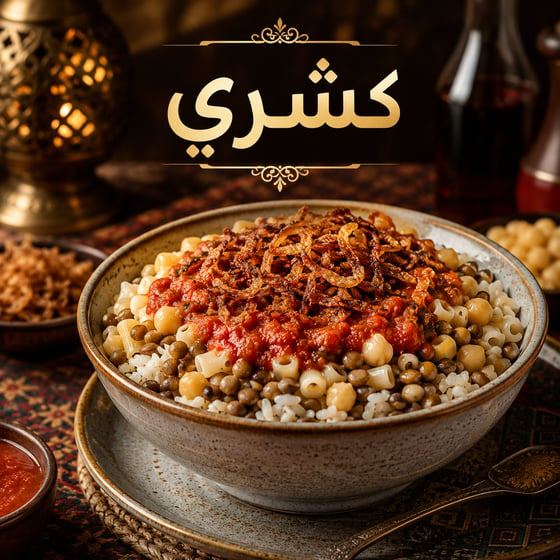
Koshari of rice, lentils, macaroni, spaghetti and golden vermicelli, topped with fried onion and our tomato koshari sauce.
FromAED 6.00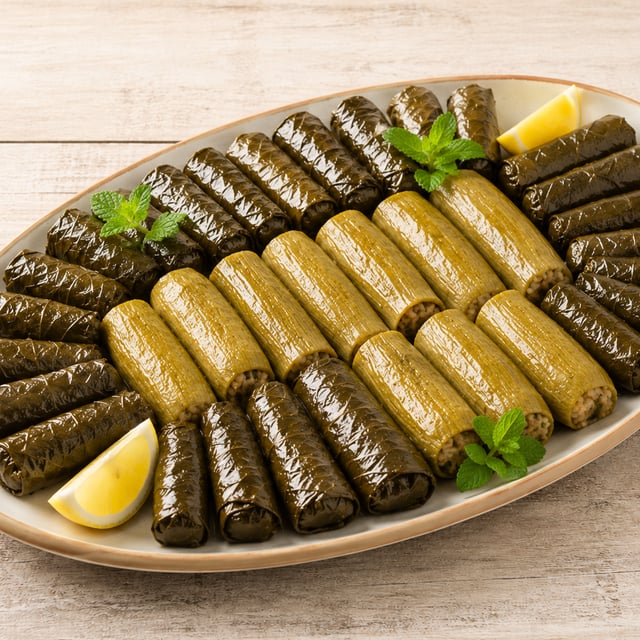 Available · today from 10:00 AM
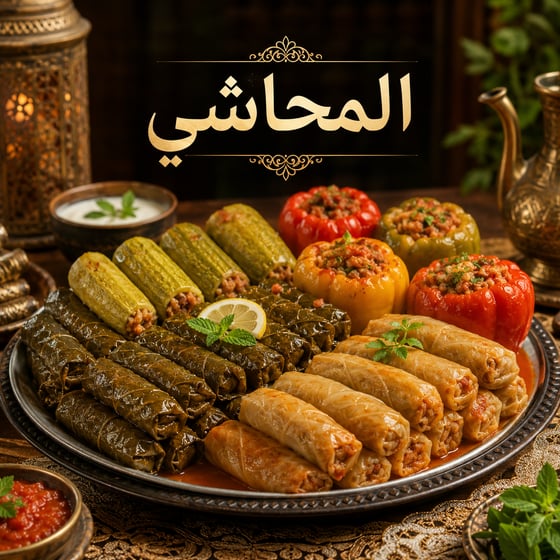
Vine leaves in olive oil, lemon and pomegranate molasses, with fresh courgettes filled with rice, tomato and fresh greens in tomato sauce.
FromAED 11.00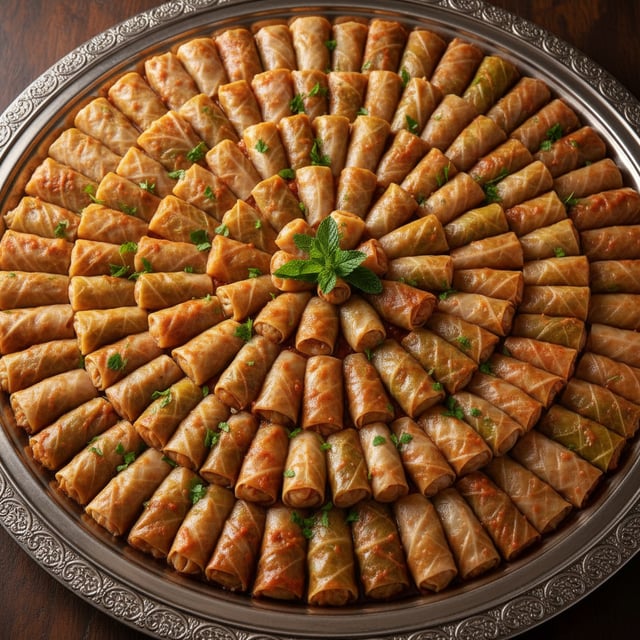 Available · today from 10:00 AM
Fresh cabbage rolls stuffed with rice, tomato, parsley, dill and coriander, cooked in tomato sauce with our own spices.
FromAED 11.004.3 out of 5 · 285 ratings on GoogleOpen in Google Maps
Delicious food specifically the chicken biryani.. love it Enrico Agulto2 years ago
I usually eat pretty bland- I don't like my food with alot of condiments so when I tasted the rice and chicken dish- I was surprised it was just enough salt amd taste was amazing- my boss who is Egyptian ordered from this restaurant and said it wasn't spicy. Which is what I like'- I usually order from on the woods here in Rak- this place in my opinion- I loved rice and chicken-its my new favorite place for rice/ salad and chicken lunches! Adriana Rios2 years ago
Mahashi here is always Freshly cooked Daily, unlike other places that reheat it from the fridge. It's the most delicious in town. Highly recommend. 5 stars! 👍 MO3 years ago
Perfect...
Very delicious and very good service.
Every time friendly staff...
Thanks so much...
We come back... Mandy Dorbath2 years ago
Amazing place, whenever we go to Ras Al Khaima we would never miss visiting this restaurant, modest and with great atmosphere and delicious food. Abu Ehab is the owner and the most amazing person we ever meet on this days so helpful and kind, great service. Well done 👏 eriselda ferko6 years ago